
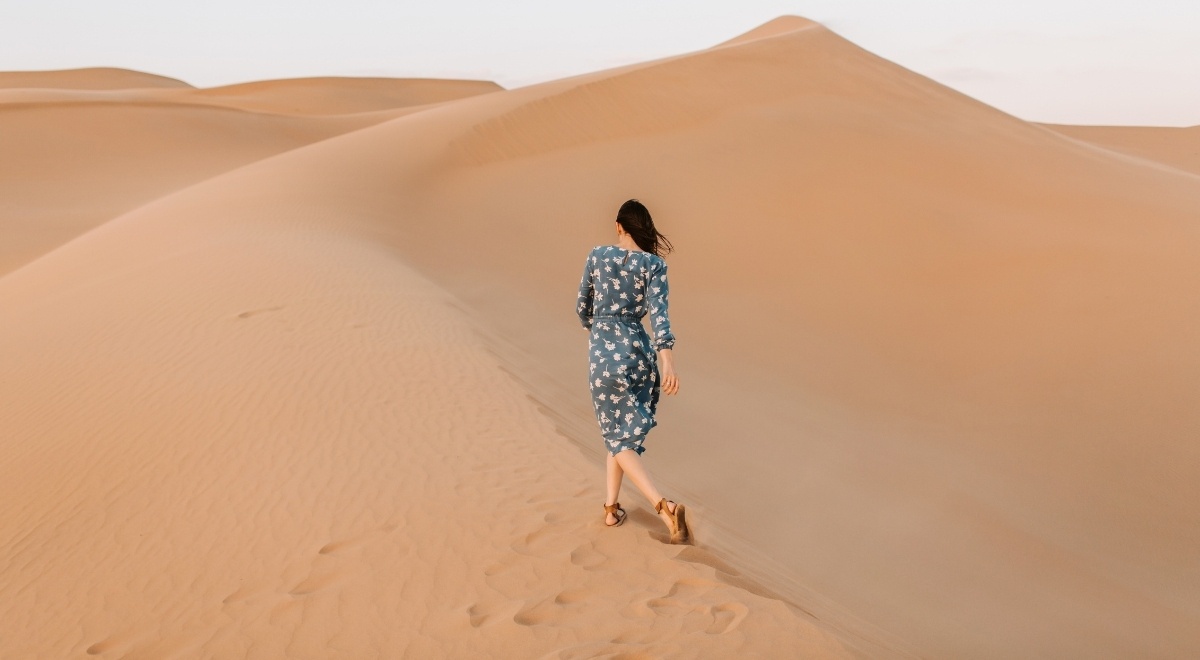
A desert safari is one of the most memorable experiences you can have in the UAE. Whether you’re riding over golden dunes near Dubai or watching a dramatic sunset outside Abu Dhabi, choosing the right outfit makes your adventure more comfortable, safer, and far more enjoyable. From breathable tops to protective accessories and seasonal options, this guide walks you through what to wear in desert safari so you’re perfectly prepared.
Why Your Safari Outfit Matters
Desert environments are unique. You’ll face factors like intense sun, dry wind, shifting sand and wide temperature changes from day to night. A thoughtful outfit protects you from sunburn, heat and cool evenings while also letting you move freely during activities like dune bashing, camel rides or sandboarding. An outfit that balances comfort, culture and practicality ensures a great experience from start to finish.
Best Clothing Choices for Desert Conditions
Breathable Tops and Sun‑Smart Fabrics
The right top is essential when deciding what to wear in desert safari. Breathable fabrics like cotton and linen allow air to circulate and help wick moisture away from your skin, keeping you cool during warmer parts of your day. Loose, light‑coloured shirts or long‑sleeve tops do two things at once: they protect your skin from harsh sun and help keep you comfortable in heat.
For women, flowy tunics or light blouses are ideal as they offer coverage without restricting movement. Men can choose loose‑fit cotton tees or long‑sleeve shirts for the same benefits. Avoid heavy fabrics that trap sweat and heat.
Practical Bottoms for Sand and Activity
Comfortable bottoms matter just as much as tops. Loose‑fit trousers, lightweight pants, or breathable leggings give you comfort while protecting your legs from hot sand and wind. These work well for camel riding and walking around camps.
Women may choose breathable long skirts or maxi dresses made from airy materials if they prefer, but anything too flowing can catch wind or sand during activities. Men and women alike should avoid heavy denim or thick fabrics that make moving in the dunes harder.
Footwear That Works in Sand
Choosing the right footwear is key to comfort on uneven terrain. Closed‑toe shoes like sneakers or lightweight hiking shoes are ideal because they protect your feet from hot sand and sharp textures while providing good grip for climbing dunes and walking around camp.
While sandals may feel cool, they tend to let sand get inside and can make walking uncomfortable — especially after activities like dune bashing or sandboarding. If you choose sandals for camp time, bring closed‑toe shoes for dune exploration.
Seasonal Outfit Ideas
Summer Desert Safari Outfit Tips
Summer in the desert can be very warm, so your outfit should focus on cooling and comfort. Light colours like whites and pastels reflect heat and keep you cooler than darker tones. Breathable cotton or linen tops with loose‑fit pants help maintain airflow and reduce sweat accumulation.
Accessories such as a hat and sunglasses are even more critical in summer, protecting you from direct sunlight and glare. Keep your clothing loose so air can circulate — this is especially important if you’re joining an afternoon safari when temperatures are highest.
Winter Desert Safari Outfit and Layers
Even if the day starts warm, desert temps can drop after sunset — especially from November to February. Winter safaris require a layered approach. Start with a breathable base like a light tee or shirt and bring a light jacket, fleece or cardigan you can slip on when temperatures fall.
A scarf or shawl is useful at night not just for warmth but also for protecting your neck and face from wind and sand. Layering lets you regulate your comfort whether you’re watching the sunset or sitting around a campfire.
Sun Protection and Accessory Essentials
Hats, Sunglasses, and Scarves
Sun protection plays a big role in what to wear in desert safari. A wide‑brimmed hat or cap helps shade your face, ears and neck. A lightweight scarf or shemagh can also provide extra protection from blowing sand and sun.
Sunglasses with UV protection shield your eyes against bright reflections off sand and harsh sunlight. This reduces glare and improves visibility for photos and sightseeing.
Sunscreen, Lip Balm, and Hydration
Don’t forget high‑SPF sunscreen on all exposed skin, including your face, neck and arms. The desert sun can be intense even in winter, so consistent protection helps prevent sunburn.
A UV lip balm keeps lips from chapping in dry air, and carrying a reusable water bottle encourages you to stay hydrated throughout your safari activities. Hydration is especially important if you’re participating in active moments like sandboarding or camel rides.
Outfit Tips for Dinner and Camp Activities
Most desert safaris include an evening camp experience with a BBQ dinner and cultural entertainment. Evenings in the desert bring cooler weather, so having a light layer or wrap is helpful once the sun sets.
Camp settings are often open and relaxed, so your outfit should be comfortable but respectful. Opt for modest attire that covers shoulders and knees at dinner and during performances like belly dancing or Tanoura shows.
What to Avoid Wearing
To stay comfortable and practical on your safari, skip these:
- Heavy fabrics such as denim or thick wool that trap heat.
- Dark colours that absorb heat and make you feel hotter.
- High‑heeled or dress shoes that are unstable on sand.
- Tight or restrictive clothing that limits movement during activities.
Wearing the wrong outfit can make simple activities like walking in sand or camel riding uncomfortable and distract from the fun of your safari.
Quick Packing Checklist
Here’s a handy list to ensure your outfit is safari‑ready:
✔ Breathable long‑sleeve top or tunic
✔ Loose lightweight pants or skirt
✔ Close‑toe shoes (sneakers or hiking shoes)
✔ Wide‑brimmed hat or cap
✔ Sunglasses with UV protection
✔ Sunscreen and SPF lip balm
✔ Light jacket or fleece for evenings
✔ Scarf or shawl for sand protection
✔ Reusable water bottle
This checklist ensures you’re ready for heat, sand and cooler desert nights — all while staying comfortable and protected.
Frequently Asked Questions
Can I wear shorts on a desert safari?
Yes, but longer, breathable pants offer better protection against sand, sun and wind. Optional mid‑length lightweight shorts are fine during summer.
Should I wear sandals?
Sandals are okay for camp time, but closed‑toe shoes are better for dune walking and activities like sandboarding.
Is a jacket really needed?
If your safari includes evening activities or is during the cooler months, a light jacket helps keep you warm after sunset.
What fabric is best?
Choose cotton, linen or moisture‑wicking materials — they allow airflow and manage sweat better than heavy synthetics.