
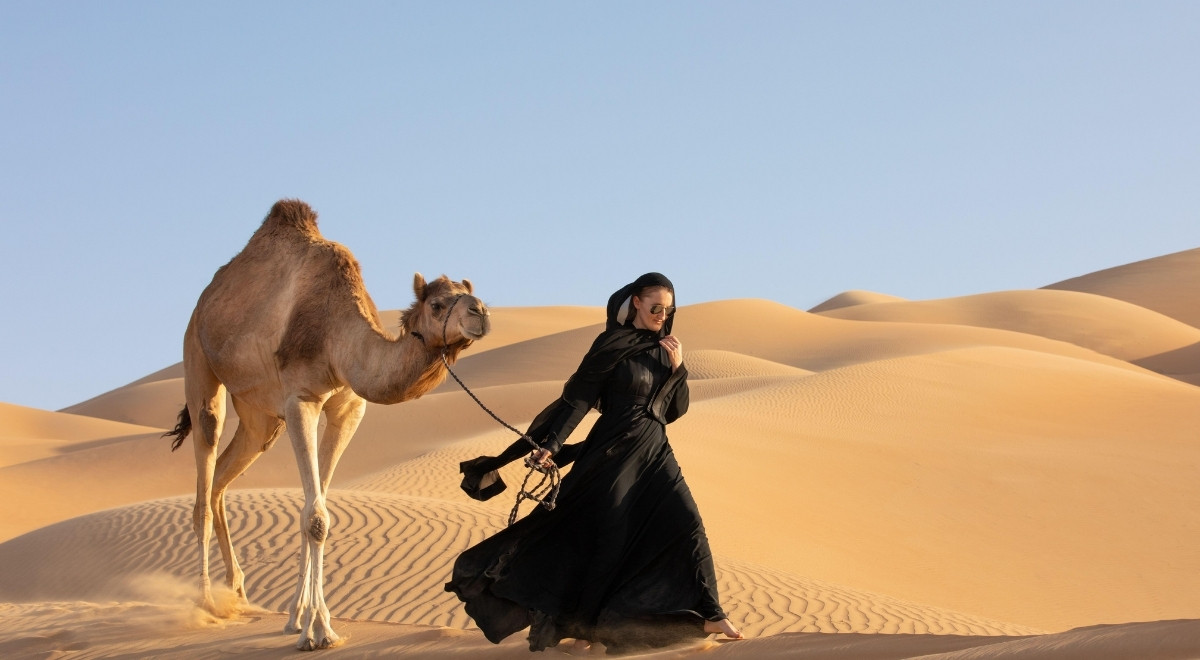
A desert safari is one of the most memorable experiences when visiting Dubai, Abu Dhabi or any other Middle Eastern destination. Whether you’re dune bashing, camel riding, sandboarding, or enjoying a traditional BBQ dinner under the stars, choosing the right clothes makes a big difference in comfort, safety and fun. Knowing what to wear helps you stay cool during hot days, warm in chilly evenings, and culturally respectful throughout your visit.
Why Choosing the Right Outfit Matters
The desert environment is unique. Intense sun, blowing sand, dusty winds, and a wide range of temperatures from day to night mean your outfit needs to be both practical and flexible. Plus, because many safaris include activities like dune bashing and camel riding, your clothes should allow easy movement and protect your skin from UV rays and irritation.
Essential Clothing for Desert Safari
Tops: Breathable and Comfortable
When dressing for desert safari, start with a breathable top made of natural fabrics like cotton, linen, or lightweight blends. Loose‑fitting shirts and long‑sleeved tops help protect your skin from the sun and reduce sweat buildup, especially during daytime activities.
For women, a light blouse, cotton tunic, or airy tee works well. Men can wear loose t‑shirts or long‑sleeve shirts that offer sun coverage and airflow. If you want a traditional look, garments like a kandura or long abaya also provide excellent sun protection while keeping you cool.
Bottoms: Practical Pants and Coverage
Loose and comfortable trousers or lightweight pants are ideal for desert terrain. These protect your legs from hot sand and keep you cool during activities like camel riding and walking around the camp.
Women can also consider maxi skirts or long dresses made of breathable fabrics, though it’s best to avoid anything too flowing that might catch wind or get in the way during activities. Men can go with light cotton trousers or cargo pants.
Footwear: What Works Best
Closed‑toe shoes such as sneakers or hiking shoes are the best choice for most desert safari activities. These protect your feet from hot sand, provide good traction on uneven terrain, and keep out debris.
While some visitors prefer sandals or flip‑flops in hot weather, these can allow sand to get inside and make walking uncomfortable. If you choose sandals, make sure they are secure with straps and consider switching to sneakers for more active parts of your safari.
Seasonal Dressing Tips
Summer Desert Safari Outfits
Summer in the Arabian desert can be extremely hot, with strong sun and high temperatures. In these conditions, your outfit should focus on lightweight, breathable fabrics that allow good air circulation. Light colors like beige, white, pastel or earth tones reflect heat and keep you cooler.
Loose‑fitting cotton shirts, linen trousers, or breathable tops help avoid overheating while still protecting your skin. Sunglasses and a wide‑brimmed hat are essential in summer to reduce glare and sun exposure.
Winter Desert Safari Layers
Desert nights, especially between November and February, can get surprisingly cool or even chilly. Bringing a light jacket, sweater, shawl or cardigan helps you stay warm in the evening after sunset. Even if the day began warm, temperatures can drop quickly as the sun goes down.
Layering your outfit makes it easy to adapt to changing weather. Wear breathable layers during the day and add a warm layer for the evening camp or stargazing.
Sun Protection and Accessories
Hats, Scarves, and Sunglasses
The desert sun is intense, and accessories matter. A wide‑brimmed hat, cap, or scarf helps shade your face and neck from direct sunlight. A lightweight scarf or shemagh also doubles as protection against blowing sand during dune bashing or quad biking.
UV‑protective sunglasses are also a must to reduce glare and protect your eyes against sand and bright reflections.
Sunscreen and Hydration
Sunscreen with high SPF is essential even if your clothing covers most of your skin. Apply it to exposed areas like your face, neck, and hands. Staying well‑hydrated by bringing a water bottle ensures you feel comfortable throughout the safari.
Cultural Considerations and Modesty
While tourist safaris are more relaxed than city dress codes, dressing modestly shows respect for local customs in the UAE. Avoid overly revealing tops, very short shorts, or outfits that expose too much skin, especially at shared desert camps where local entertainment and cultural activities take place.
Loose, modest clothing works for both men and women and helps keep you comfortable in the desert heat. Adding a light scarf or shawl adds protection and a respectful touch.
What to Avoid Wearing on a Desert Safari
To ensure comfort, it’s best to skip certain items, including:
- Heavy fabrics like denim or wool, which trap heat and are uncomfortable.
- Dark clothing, which absorbs heat and makes you feel hotter.
- High heels, dress shoes, or open‑toe shoes, which are unstable on sandy surfaces.
- Tight or restrictive outfits that limit movement during activities like camel riding or sandboarding.
- Heavy jewelry or luxury accessories that can get damaged or lost in sand,
Packing Checklist for Your Safari Outfit
Here’s a simple checklist to help you pack the right attire:
✔ Lightweight long‑sleeve cotton or linen shirt
✔ Breathable trousers or comfortable pants
✔ Comfortable sneakers or hiking shoes
✔ Wide‑brimmed hat or scarf
✔ UV sunglasses
✔ Light jacket or cardigan (for evening)
✔ Sunscreen (SPF 30+)
✔ Reusable water bottle
✔ Minimal jewelry or accessories
Frequently Asked Questions
Can I wear shorts on a desert safari?
Yes, but it’s best to choose knee‑length or longer shorts and breathable fabrics. Longer pants offer better protection from sun and sand.
Should I wear sandals?
Sandals can be worn, but closed‑toe shoes are recommended for better support, protection, and comfort during activities.
Do I need a jacket for a desert safari?
If your safari is in the evening or winter, bring a light jacket or shawl as temperatures can drop after sunset.
What fabric is best?
Choose cotton, linen, or moisture‑wicking materials for maximum comfort and breathability.