
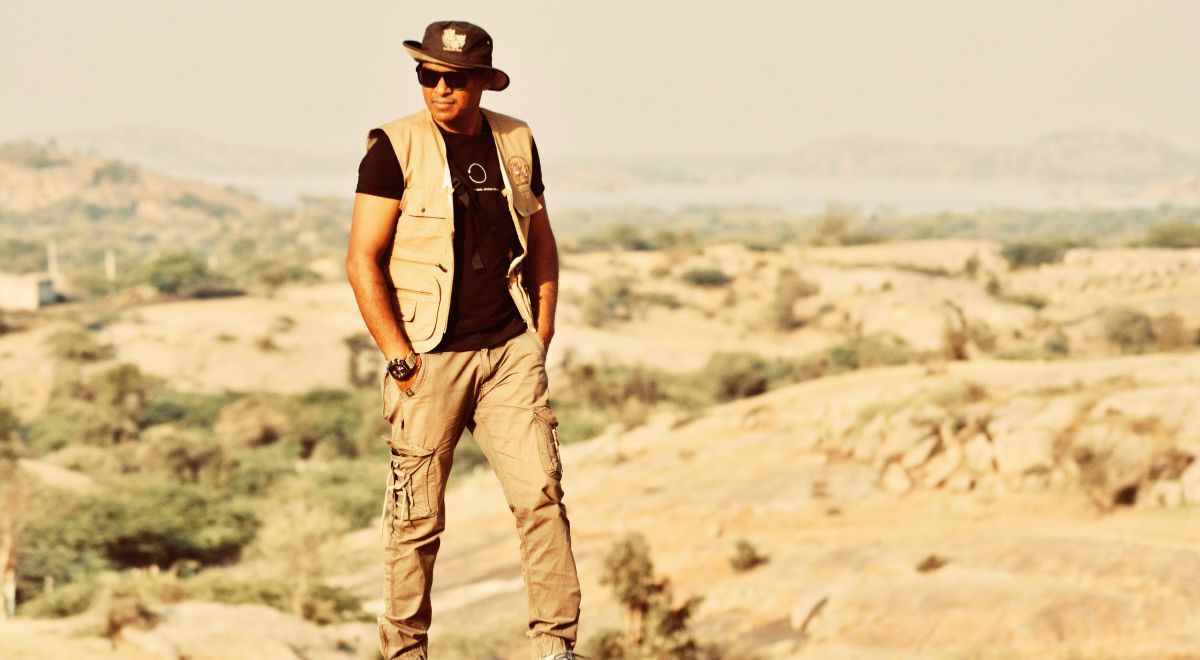
Planning a desert safari — whether in Dubai, Abu Dhabi, or other parts of the UAE — is exciting. From dune bashing and sandboarding to camel rides, sunset photography and desert camp dinner, the right desert safari outfit can make all the difference in your comfort, safety and overall experience. Knowing how to dress helps you stay cool during the day, warm at night and protected from strong sun and blowing sand.
This guide gives you practical tips on what to wear, how to layer for seasons, and ideas for footwear and accessories so you can fully enjoy your desert adventure.
Why Your Desert Safari Outfit Matters
The desert climate is unique. During the day, temperatures can rise significantly, and at night they can drop sharply. In addition, you’ll spend time outdoors, sometimes walking through uneven sand and participating in active experiences like climbing dunes or riding camels. A thoughtful outfit boosts comfort and protects your skin from the sun and sand.
From breathable clothing to sun protection and adaptable layers, your outfit should balance practicality with comfort and cultural awareness.
Top Clothing Choices for Your Outift
Breathable Tops and Layers
A good desert safari outfit starts with the right top. Breathable, light‑weight fabrics such as cotton, linen or moisture‑wicking synthetic blends are ideal because they allow airflow and help you manage heat and sweat. Long‑sleeved tops protect your arms from sun exposure during daytime activities while keeping you cooler overall.
Women can choose loose‑fitting blouses, tunics or cover‑ups, while men may prefer breathable T‑shirts or long sleeve shirts that balance airflow with sun protection. For winter desert safaris, a layered approach helps — wear a breathable base with a light sweater or jacket you can remove as needed.
Comfortable Bottoms That Work
For your desert safari outfit, pants are generally a better choice than shorts since they protect your legs from hot sand and wind. Lightweight cotton trousers, linen pants, or relaxed‑fit hiking pants let you move freely while staying comfortable.
Women can also wear maxi skirts or loose joggers, as long as they are made with breathable fabric. Avoid tight or restrictive clothing that may rub against skin during activities like camel rides or dune walks.
Footwear for Sand and Adventure
What you wear on your feet matters just as much as your clothes. Desert terrain is sandy and uneven, so choose closed‑toe shoes like sneakers, walking shoes or lightweight hiking footwear. These protect your feet from sand, heat and abrasion during activities like sandboarding or camel riding.
While sandals may feel cooler, they tend to let sand in and can make walking uncomfortable. If you do wear sandals, consider them only for camp time or relaxed evening activities — but always have closed‑toe options for dune exploration.
Seasonal Outfit Tips
Summer Desert Safari Outfit Ideas
Summer desert temperatures can be intense. For your safari outfit in hot months, go for light colours such as whites, pastels, and neutrals that reflect sunlight rather than absorb heat. Breathable fabrics like cotton and linen help keep you cool and reduce sweat buildup.
Wear a light, breathable long‑sleeved shirt paired with loose trousers and a wide‑brimmed hat or cap. Keep fabrics light and airy so air can circulate around your body even in higher temperatures.
Winter Desert Safari Layers
Desert nights, particularly from November to February, can be surprisingly cool. Layering is key for a desert safari outfit in winter. Start with a breathable base layer and add a light jacket, fleece or cardigan for evening comfort.
A scarf or shawl is useful not only for warmth after sunset but also for protection against chilly winds and dust. Layering lets you adapt your outfit as the temperature changes throughout the safari.
Sun Protection and Accessories
Hats, Scarves, and Sunglasses
The sun in the desert can be intense, so accessories are a big part of your outfit. A wide‑brimmed hat, cap or scarf helps shade your face, ears and neck from direct sunlight. Scarves also provide protection from blowing sand during dune bashing or quad biking.
Sunglasses with UV protection are essential. Bright reflections off the sand can be harsh on your eyes, so quality eyewear helps reduce glare and improves visibility.
Sunscreen, Lip Balm and Hydration
Apply high‑SPF sunscreen to exposed skin areas — face, neck, hands — even if your clothing covers most of your body. Look for sunscreen that also protects against UVA and UVB rays.
Protect your lips with SPF lip balm to avoid chapping in dry conditions, and carry a reusable water bottle to stay hydrated throughout your safari. Hydration is especially important in warm months and during active parts like walking on dunes.
Outfit Tips for Camp Dinner and Cultural Activities
Most desert safaris include a traditional Arabian camp dinner with entertainment such as belly dancing, Tanoura shows and fire performances. Your desert safari outfit should shift naturally into the relaxed evening portion — think layers, modest attire and comfortable shoes if you plan to dine or watch performances.
Women may choose a light shawl or wrap to add a bit more coverage for cultural sensitivity during evening activities, while men can roll up or down sleeves depending on temperature. Dressing modestly also shows respect for local customs and makes your experience more culturally immersive.
What to Avoid Wearing on a Desert Safari
To ensure maximum comfort and practicality, avoid these when preparing your outfit:
- Heavy fabrics like denim or wool that trap heat and restrict airflow.
- Dark colours that absorb heat and make you feel hotter.
- High heels or dress shoes that are unstable on sand.
- Tight or restrictive clothing that limits movement during activities.
- Excessive jewelry or accessories that can get lost in sand.
Packing Checklist for a Great Safari Outfit
Here’s a quick checklist to ensure your desert safari outfit is prepared:
✔ Breathable long‑sleeve shirt or tunic
✔ Loose‑fit cotton or linen pants
✔ Comfortable closed‑toe shoes or sneakers
✔ Wide‑brimmed hat or cap
✔ Sunglasses with UV protection
✔ Light jacket or shawl (for winter evenings)
✔ High‑SPF sunscreen
✔ Lip balm and reusable water bottle
✔ Minimal jewelry or accessories
This combination keeps you comfortable, protected and ready for both adventure and cultural moments.
Frequently Asked Questions
Can I wear shorts on a desert safari?
Yes, but it’s better to wear mid‑length or longer shorts and pair them with breathable tops. Pants or long skirts offer better protection from sun and sand.
Should I wear sandals?
Closed‑toe shoes such as sneakers are ideal. Sandals are okay for camp activities, but they don’t perform well on sand and may let debris in.
Do I need a jacket for evening?
If your safari occurs in winter (November to February), a light jacket or shawl adds warmth after sunset.
What fabric should I choose?
Choose cotton, linen or moisture‑wicking fabrics that allow airflow and comfort throughout your desert adventure.